

The payment industry has undergone constant evolution, bringing us modern solutions that enhance the security, speed, and efficiency of transactions. Payment has always been a fundamental concept, evolving from bartering to more sophisticated systems. Join our product manager, Bruno Nicolafrancesco, as we delve into the evolution of payment methods.
The History of Payment Methods
For 2500 years, coins have been a staple of payment methods. The concept of paper money originated in China in the early 8th century to make carrying money more convenient. Throughout history, coins have always been round and bills rectangular.
Checks have been used since the 18th century, while the bank card made its debut in 1967. Back then, merchants validated transactions using a carbon paper reader, where they slid a handle to imprint the card's details onto a document, which then required a signature.
The modern bank card, which involves inserting it into a terminal and entering a code, has been around since 1990. In 2011, contactless payment became possible with the introduction of POS terminals.
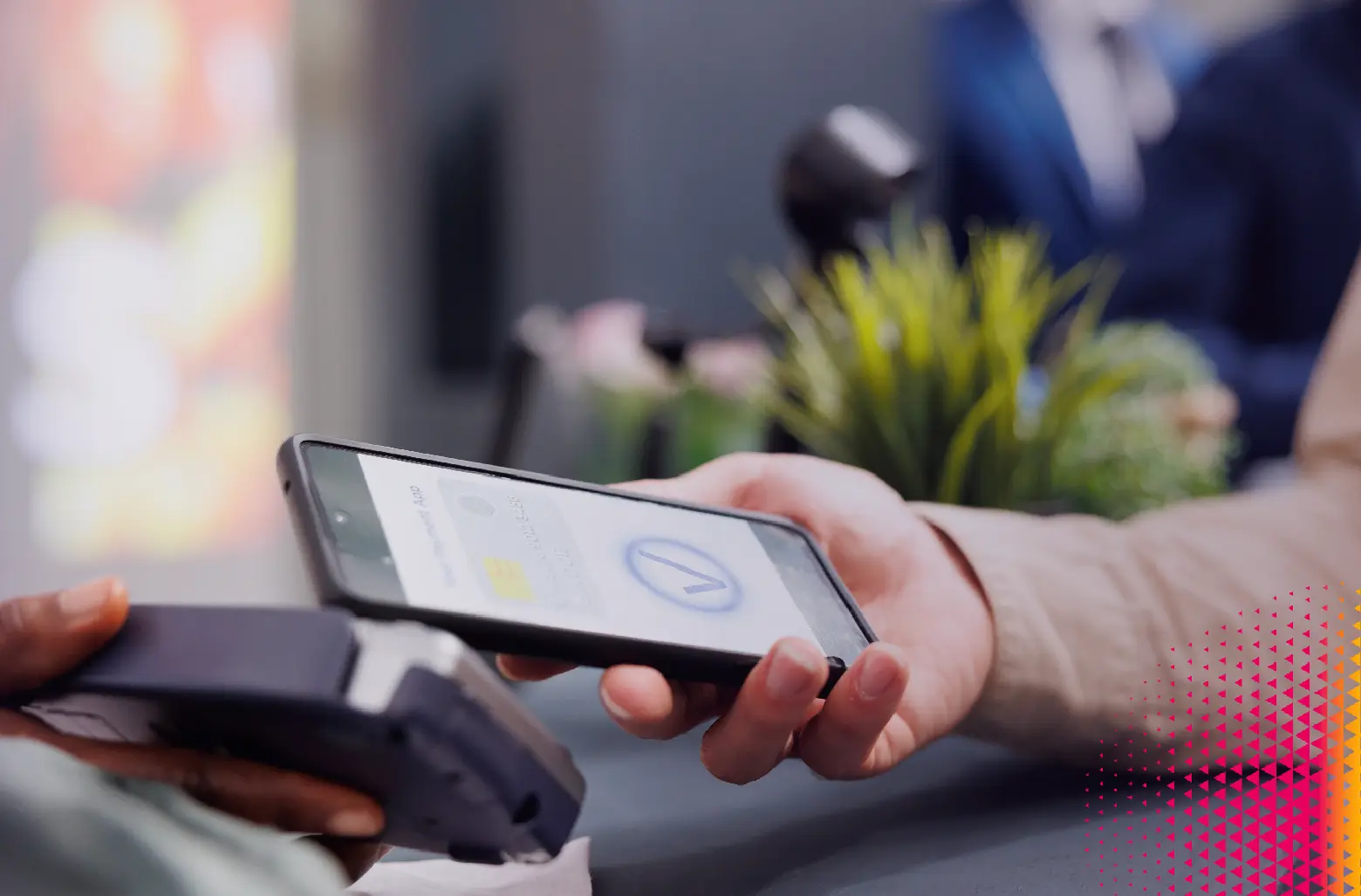
Since 2016, smartphones have become a popular method for contactless payments.
What Are the Most Used Payment Methods Today?
According to a 2015 Statista study, the most used payment methods are:
- Bank card,
- Cash,
- Check.
Today, payments in Europe are secured by code entry, while in the United States, the use of magnetic stripe reading remains common. In contrast, China has adopted far more advanced payment methods, largely because bank cards were never widely used," explains Bruno Nicolafrancesco. Over the past 20 years, China has swiftly transitioned from cash to smartphones.
Alipay and WeChat dominate as the primary payment platforms, and now many major stores in Paris accept these methods from Chinese tourists. At checkout, the store generates a QR code, which the customer simply scans to complete the payment.
Discover also: What is Tap on Phone and why is it a revolution in retail payments?
And Tomorrow, How Will We Pay?
Several emerging trends are on the horizon. In 2018, optical recognition technology emerged, utilizing a 3D camera to analyze and identify a customer's face to authorize payments. The trend is moving towards hands-free payments, thereby dematerializing transactions and reducing clutter.
We are increasingly adopting usage-based payment systems, similar to today's toll systems. The real game-changer could be biometric identification with an implanted chip under the skin. This method would allow payments by simply placing your hand on a reader. It could also identify individuals in emergencies, reveal allergies, unlock homes, and facilitate travel by train or bus. This technology is already in use in Sweden! Would you be willing to trade your bank card for an under-skin chip?