
In today's digital era, the growing number of distribution and communication channels poses a significant challenge for sports retailers. Creating an authentic customer experience and positioning your store as a comprehensive service hub are key strategies for success and long-term sustainability. Let's explore the concepts of multichannel, cross-channel, and omnichannel in detail: a step-by-step approach to achieving unified commerce.
Multichannel: The Indispensable Foundation
As a contact marketing strategy, multichannel primarily aims to reach the widest possible audience and engage consumers across all available channels. Whether through websites, SMS messages, physical stores, or social media, the objective is to utilize every channel to increase touchpoints and strengthen brand presence in the minds of consumers.
For sports stores, the benefits of multichannel marketing are evident when considering target audiences and their behaviors:
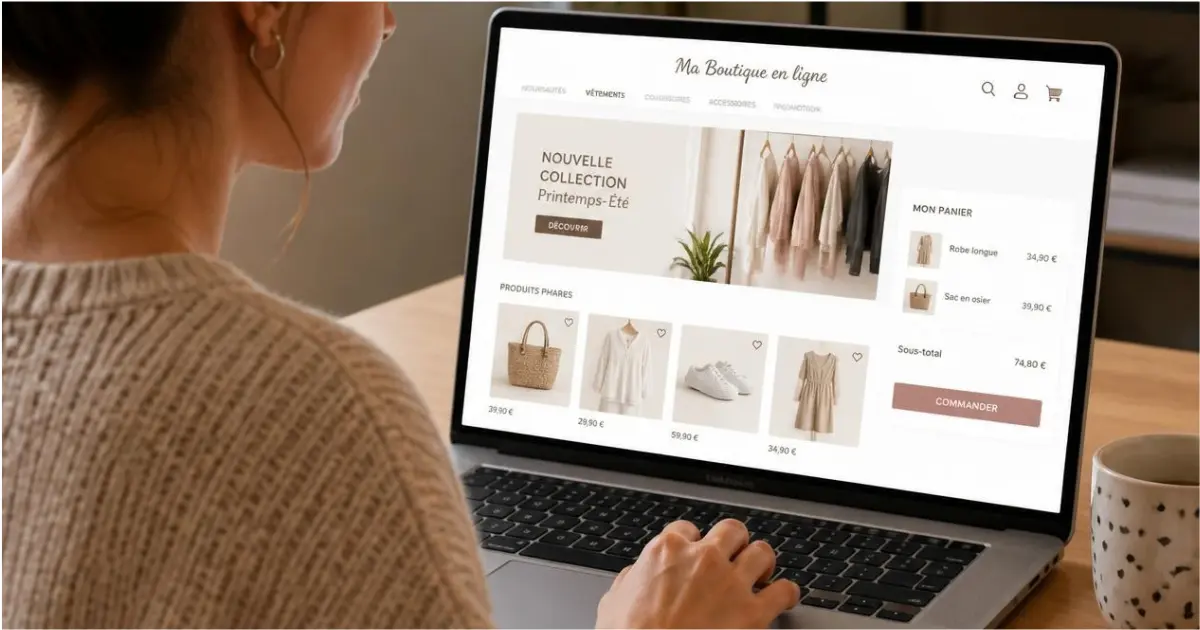
- An e-commerce platform or website to allow customers to research your products;
- SEO optimization on Google so you can be easily found;
- A strong social media presence to keep your audience updated on news, new product releases, community activities, and to compare your offerings with those of competitors;
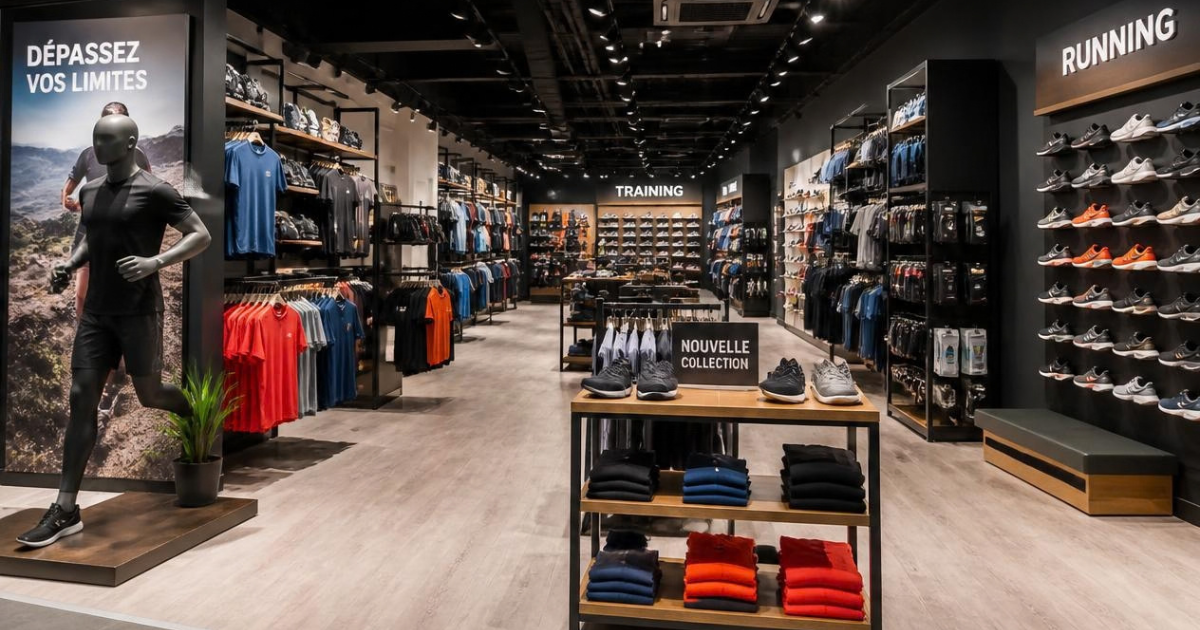
- A physical store to showcase your products and highlight the expertise of your sales advisors.
Cross-channel: A Step Toward Synergy
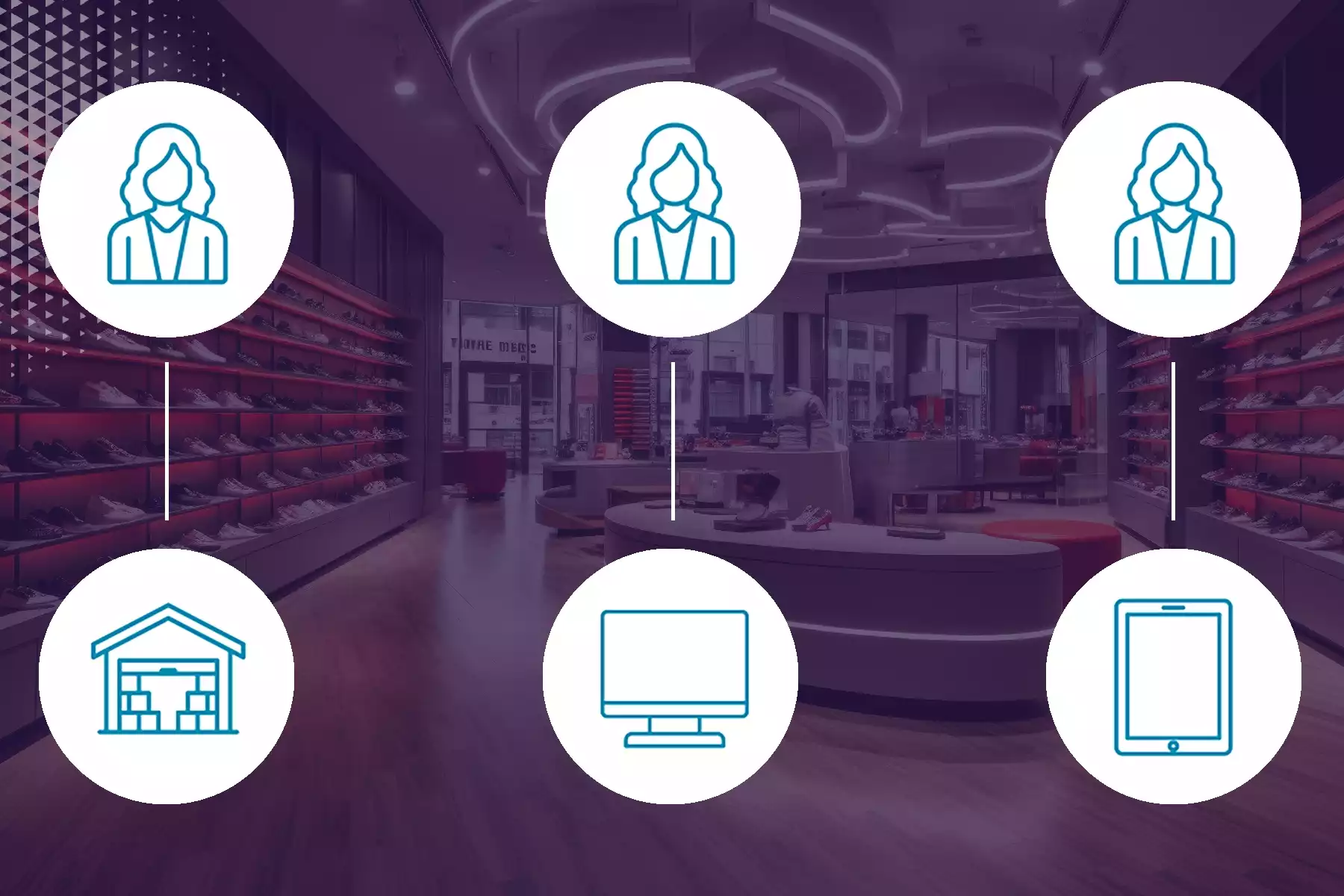
While multichannel marketing involves the use of various channels, cross-channel marketing focuses on creating real synergy among these channels. The aim is to achieve complementarity between distribution and communication channels. Cross-channel marketing facilitates a comprehensive customer journey by integrating multiple touchpoints, aligning perfectly with consumer expectations in today’s market.
Here are some examples:
- Two channels: A customer places an order online and picks it up at a physical store via click & collect or click & drive.
- Three channels: A customer discovers a product online, visits the store for more information and to see the item. If it's not available in-store, it is sent directly to the customer with the desired specifications (size, color, etc.).
- Four channels: A customer receives an email with a promotional offer, prompting them to visit the brand’s website to reserve a product in-store, which they can then pick up in person.
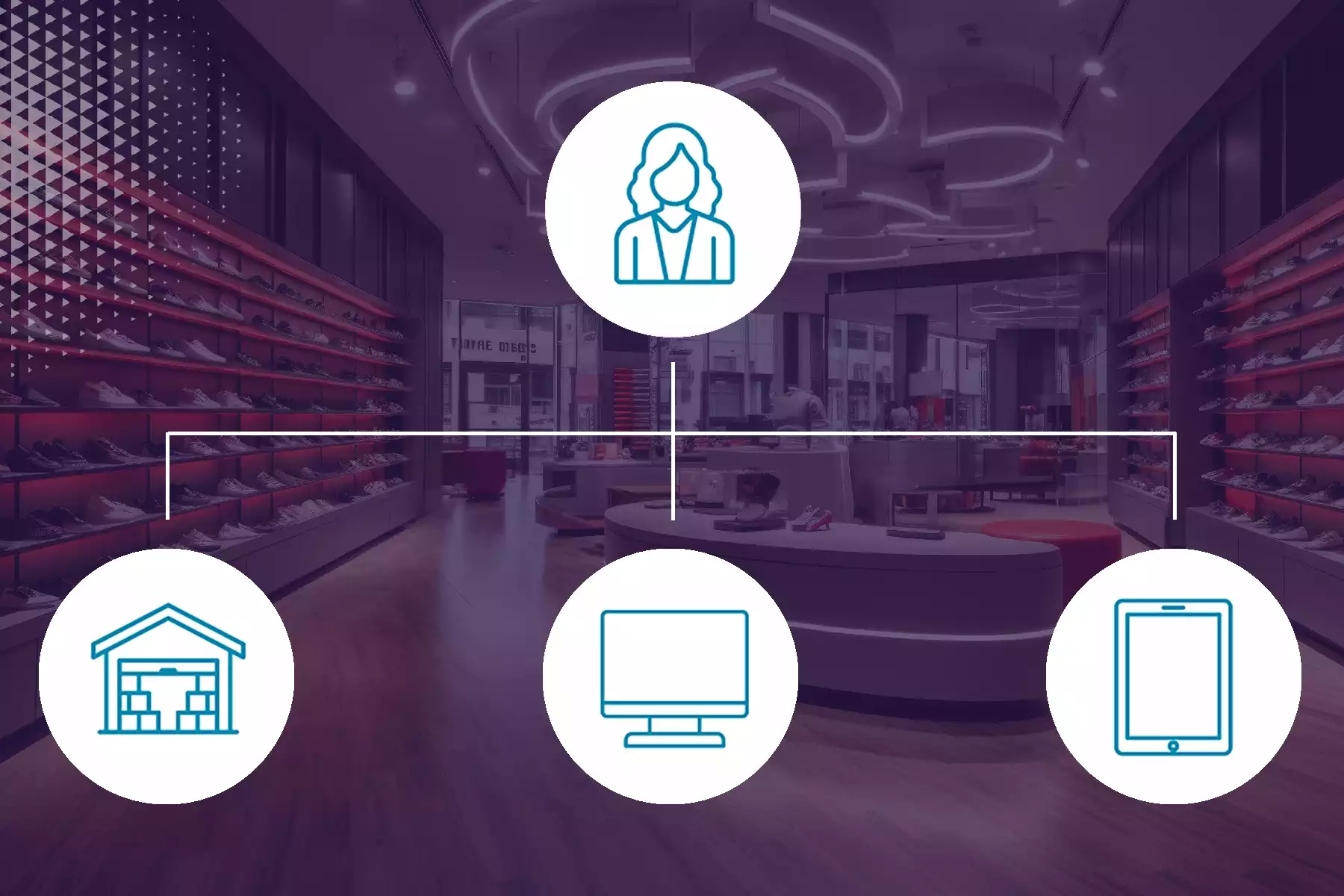
Omnichannel: Unified Commerce in the Service of Customer Experience
Going beyond mere complementarity (cross-channel), omnichannel is a marketing strategy that merges communication and distribution channels to offer a seamless, integrated experience. Bringing digital elements into physical stores and digitizing customer services are key. The goal is to reach connected consumers wherever they are, offering them a unique shopping experience.
Adopting omnichannel means integrating physical stores with e-commerce, live consultations with social media, to create unified added value. Channels complement each other, convey consistent information, and work together to ensure the longevity of your business.
Discover also: Does the ultimate tool for managing a network of stores exist ?
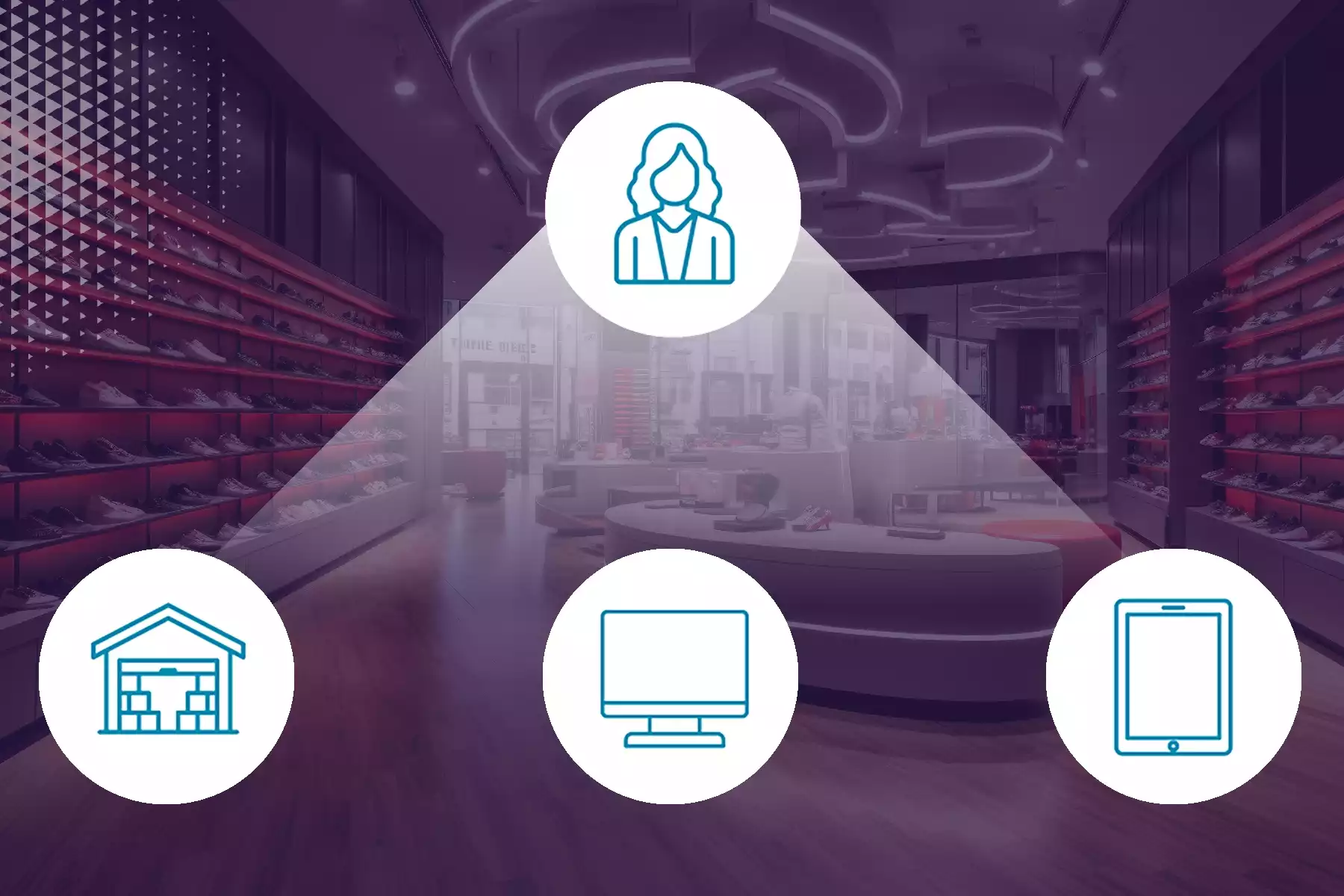
Transitioning from multichannel to cross-channel means finding natural connections between your channels to simplify the customer experience. A key focus today, omnichannel centers your strategy on the customer experience above all. By moving from cross-channel to omnichannel, you transform your store into a service hub operating on a unified commerce solution.