

Imagine a customer visits your online store with a clear intent to buy. They know what they want, use the search bar, and yet still cannot find the right product. They might get irrelevant results, feel overwhelmed by too many choices, or simply leave the site altogether. This scenario is far more common than it seems and could be quietly holding back your e-commerce sales. That is why the e-commerce search engine has evolved from a basic navigation tool into a strategic cornerstone of unified commerce strategies. Powered by product discovery technologies, Artificial Intelligence, and personalization, modern search engines better understand user intent and make it effortless for shoppers to find exactly what they need.
What is a smart e-commerce search engine and why does it transform conversion?
Imagine a customer visits your online store with a clear intent to buy. They know what they want, use the search bar, and yet still cannot find the right product. They might get irrelevant results, feel overwhelmed by too many choices, or simply leave the site altogether. This scenario is far more common than it seems and could be quietly holding back your e-commerce sales.
That is why the e-commerce search engine has evolved from a basic navigation tool into a strategic cornerstone of unified commerce strategies. Powered by product discovery technologies, Artificial Intelligence, and personalization, modern search engines better understand user intent and make it effortless for shoppers to find exactly what they need.
Why internal search is the most undervalued asset in e-commerce
Many e-commerce businesses invest heavily in driving traffic to their site, yet pay surprisingly little attention to what happens once visitors arrive.
The e-commerce product search engine is one of the most critical touchpoints because it directly bridges user intent with your available product catalog. When functioning effectively, it eliminates friction, speeds up navigation, and delivers a seamless experience that helps buyers find the right item faster.
Furthermore, search data yields invaluable insights into actual customer behaviors, trends, and demand. Analyzing search queries enables brands to uncover commercial opportunities, optimize categories, and refine assortment management.
Difference between a basic search engine and a product discovery engine
Not all search engines operate the same way. While a traditional search tool merely matches keywords against product descriptions in the catalog, a product discovery engine is designed to guide customers toward discovering the products most relevant to them.
Basic search engine
- Matches exact words entered by the user with product listings.
- Struggles to handle typos, misspellings, or alternative terminology.
- Displays results without taking user behavior into account.
- Delivers a limited shopping experience when dealing with large or complex product catalogs.
Product discovery engine
- Accurately understands user search intent.
- Leverages smart filters, recommendations, and continuous personalization without requiring manual setup rules.
- Factors in browsing history, clicks, and past purchases.
- Enables merchandising rules to promote high-priority or strategic products.
- Helps shoppers discover items of interest even if they did not search for them explicitly.
- Capitalizes on similar user behavior to suggest highly relevant products.
In short, a traditional search bar helps shoppers find products; a product discovery engine helps them find the right product, significantly increasing the likelihood of purchase.
Synonyms, boosting, and faceted search: Definitions and benefits
Product discovery engines incorporate advanced features designed to enhance the search experience and help shoppers locate items much faster.
Key features include:
- Synonyms: They enable the search engine to understand different ways of referring to the same product. For instance, if one user searches for "sneakers" and another enters "trainers", both receive relevant results even if the product catalog relies on a single naming convention.
- Boosting: This feature increases the visibility of specific items based on commercial strategy, available inventory, profit margins, or consumer purchasing trends.
- Faceted search: It provides dynamic filters based on attributes such as size, color, brand, price, or technical specifications. As a result, shoppers can quickly refine search results to zero in on what they want.
Impact of the e-commerce search engine on conversion rates
An e-commerce store's ability to surface relevant items directly impacts its revenue. The faster a shopper finds what they are looking for, the more likely they are to add items to their cart and complete checkout. Conversely, vague or irrelevant results lead to high bounce rates and abandoned visits.
This is why product discovery engines like Tweakwise play a pivotal role in conversion rate optimization. By analyzing how shoppers search, browse, and buy, these solutions continuously tailor results in real time while allowing ongoing optimization of filters, recommendations, and categories.
The outcome is a smoother shopping experience, higher customer satisfaction, and increased sales opportunities for the business.
Retail use cases: Fashion, sports, and home decor
The value of an advanced e-commerce search engine applies across a wide variety of retail sectors:
- In fashion, shoppers frequently look for items using highly specific criteria (e.g., "long red evening dress"). Dynamic filters allow customers to quickly narrow down thousands of product references to find the best match.
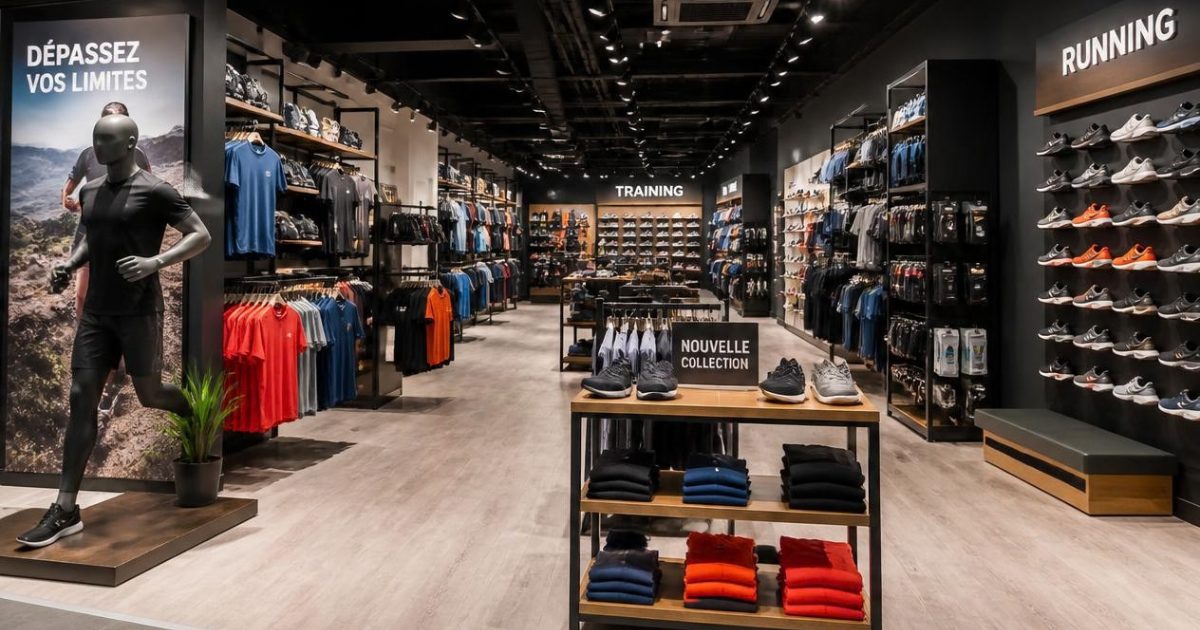
- In sporting goods, buyers often combine technical specifications with specific use cases (e.g., "road running shoes"). An intelligent system can present complementary recommendations and drive cross-selling.
- In home decor and furniture, where product catalogs are typically extensive, personalization and advanced filtering make it easy to find items that fit the customer's style, space, and budget (e.g., "grey 3-seater sofa bed").
In every industry, the goal remains the same: to elevate the shopping experience and ensure maximum relevance in search results.
How to choose the right e-commerce search engine for your store
Not all e-commerce search tools offer the same level of capability. When selecting a solution, it is essential to evaluate criteria such as:
- Result quality: The ability to surface relevant products even for highly complex search queries.
- Personalization: Adjusting results and recommendations dynamically based on individual shopper behavior.
- Synonym management: Accurately interpreting different terms used to describe the same item.
- Smart recommendations: Driving product discovery and increasing cross-selling opportunities.
- Ease of use: Allowing e-commerce teams to manage and optimize the tool effortlessly day-to-day.
- Merchandising control: Combining automation with manual controls to prioritize specific items as needed.
- Integration capabilities: Seamless compatibility with your e-commerce platform and broader Retail SaaS platform technology stack.
- Data utilization: Leveraging search, browsing, and purchase data to continually refine personalized shopping experiences.
The best solution will be one that combines ease of management, high search accuracy, and complete alignment with your brand's commercial goals.
Tweakwise by Orisha Commerce: A product discovery engine for unified commerce
As part of Orisha Commerce's suite of solutions, Tweakwise specializes in transforming how shoppers search, discover, and find products within an e-commerce store.
Its technology pairs the e-commerce search engine with Artificial Intelligence, advanced filters, personalized recommendations, and merchandising tools. This combination delivers superior result accuracy, allowing customers to locate the right item in fewer clicks.
Furthermore, Tweakwise empowers e-commerce teams to retain full control over product presentation enabling them to prioritize specific items, highlight promotional campaigns, or adjust results in line with business targets.
To achieve this, the platform analyzes search queries, clicks, conversions, and browsing patterns. It uses these insights to continually optimize the overall shopping experience and search relevance.
Through this approach, Tweakwise drives conversion rate optimization, expands product discovery, and delivers deeply personalized shopping experiences within unified commerce strategies.
Is your e-commerce store truly helping customers find what they are looking for? Discover how Orisha Commerce and Tweakwise solutions can help you deliver more relevant shopping experiences, boost conversions, and unlock the full potential of your product catalog.