

Clienteling is a relational approach focused on creating and maintaining individualized, personalized connections with each customer. Originally developed in the luxury sector, this method relies on precise data to enhance the relationship. Its main goal is to strengthen loyalty and increase customer lifetime value (CLV) by transforming every interaction into a relationship-building opportunity.
Using customer information
Customer data is the foundation of clienteling. Unlike mass personalization, which tailors campaigns to customer segments, clienteling utilizes data at an individual level. By collecting and analyzing preferences, interests, and purchase history, sales associates can anticipate the specific needs of each customer.
A clienteling CRM or unified commerce solution provides a centralized, real-time view of all customer activities across channels, accessible from any touchpoint. With this information, sales associates can perform targeted actions, such as:
- Contacting a customer at the right moment to present a new collection that matches their style;
- Inviting a loyal customer to an exclusive event;
- Advising on a complementary product directly related to their purchase history.
The approach aims to build a continuous, personalized relationship.
Clienteling in physical stores
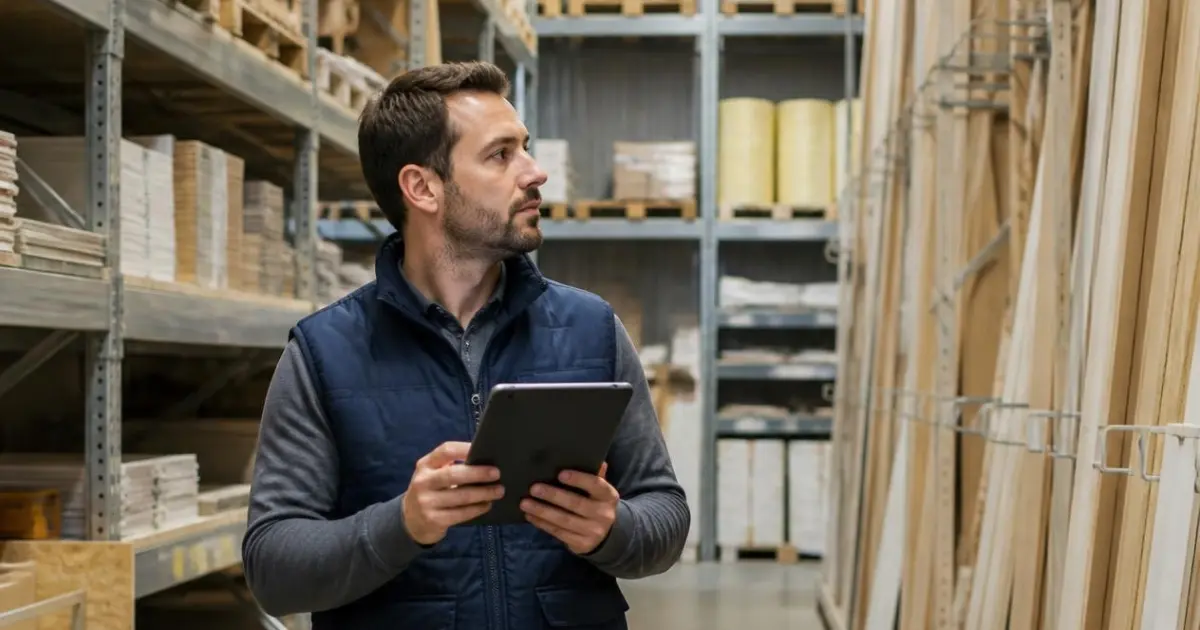
Clienteling is particularly powerful in physical stores. Sales associates equipped with mobile devices and detailed customer information can provide personalized assistance throughout the store, recommending specific products, services, or promotions. They don't just respond to requests; they anticipate needs and offer recommendations tailored to the existing relationship.
Access to real-time information, such as available inventory levels in-store and at other locations, enhances customer service and turns interactions into opportunities for loyalty and additional sales.
What are the benefits of clienteling?
- Bringing a human relational dimension to unified commerce
- Offering more personalized and memorable shopping experiences
- Increasing customer satisfaction and loyalty
- Enhancing customer knowledge at the sales associate level
- Driving sales through individualized follow-up
What are the benefits of clienteling? →
The role of technology
Technology plays a crucial role in clienteling. Dedicated CRMs, unified commerce solutions, and mobile POS terminals provide sales associates with an "augmented memory" of each customer. These tools centralize data, making it instantly accessible in-store and guiding the sales associate in their interactions. For example, a sales associate knows that a customer buys a certain type of product each season and can contact them in advance to present new arrivals.

How Orisha Commerce helps retailers with their clienteling strategies
Orisha Commerce offers retailers a comprehensive range of tools to support the implementation of clienteling strategies. This includes a centralized, real-time view of customer activities across all sales channels.
In-store, mobile POS software puts this information directly into the hands of sales associates. Each interaction becomes an opportunity to extend the relationship, reward loyalty, and increase sales opportunities.
Article originally published on 6 December 2024, updated on 3 November 2025