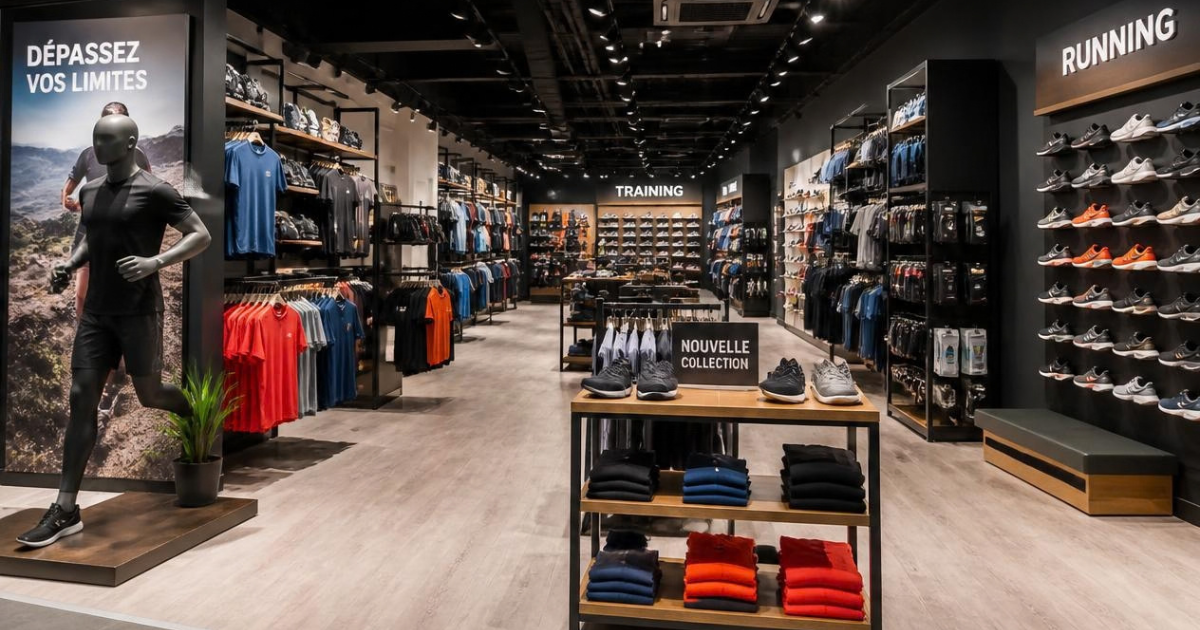


Launching a product faster than competitors, while maintaining quality and omnichannel coherence, is a strategic priority for retail companies. In today's fast-paced environment, time-to-market (TTM) hinges on the ability of teams to collaborate effectively and leverage data for informed strategic decisions and optimal ROI. Discover the key leverage points that boost product launch speed and enhance market relevance!
Accelerate product launch projects
The key steps in product development
In retail, speeding up time-to-market (TTM) calls for the streamlined structuring of each phase, from product ideation to in-store and online placement. Key steps in the product development process include:
- Ideation and design: analyzing trends and competition, conducting initial consumer tests.
- Product specifications: defining technical characteristics, selecting materials, establishing pricing.
- Supplier selection and prototyping.
- Logistics development and quality assurance: beginning production, controlling deadlines, ensuring standards compliance.
- Market launch: coordinating online and offline product releases, updating POS systems, PIM, and e-commerce platforms.
Optimize inter-team collaboration
Time-to-market (TTM) delays commonly arise from poor team synchronization during project development. Enhancing collaboration requires a centralized information system. An effective tool provides all departments with real-time updates on progress, obstacles, and priorities.
The Orisha Commerce platform unifies key functions around a shared repository, enabling each team to access the latest data. This accelerates coordination and streamlines alignment with product launch goals.
Request a demo of our solution!
Reduce market launch timelines
Analyzing bottlenecks in the production chain
Improving time-to-market (TTM) in retail requires identifying process bottlenecks. These can include:
- Excessive back-and-forth between product development and validation;
- Unresponsive supplier management, complicating deadline tracking, constraints, and product availability;
- Waiting periods between phases, such as receiving inventory and updating e-commerce and POS systems.
Agile methods for better responsiveness
Agility revolves around rapid iterations and an organization adept at integrating feedback. Development is broken into sprints, each producing testable deliverables. Continuous stakeholder collaboration ensures priority functionalities are delivered first.
Agile transformation can enhance performance indicators by 30 to 50%. Unified commerce software bolsters agile efficiency by offering:
- Instant product updates;
- Centralized promotion management;
- Automatic product data synchronization across all channels.
Unified retail stock provides real-time availability visibility, easing logistical decisions during product launches.
Save time with a unified platform
In the fashion and accessories industry, collection launches are paced by short seasons. A unified platform synchronizes product assortments between e-commerce and physical stores in just a few clicks, while swiftly distributing visuals, descriptions, and prices across all channels.
In the home equipment universe, product sheets are detailed and evolutionary (dimensions, materials, variants). Centralizing information prevents multiple entries and speeds up the availability of new items.
Finally, retail sports are often subject to events or sponsored launches. A unified platform ensures the organization of coordinated market introductions (products, displays, commercial animations) and rapid deployment across the network.
Solutions to accelerate your retail time-to-market
For retail businesses seeking agility, Openbravo Commerce Cloud and Openbravo Commerce Central offer complementary solutions to expedite time-to-market (TTM).
Openbravo Commerce Cloud streamlines key processes to reduce timelines, featuring:
- Centralized product data management (PIM);
- Real-time inventory adjustments;
- Customization capabilities tailored to customer expectations.
This solution enhances departmental collaboration with a unified flow view and agile tool integrations.
Additionally, Openbravo Commerce Central centralizes data, pricing, inventory, and promotions, ensuring instant channel-wide dissemination.
Request a demo and accelerate your time-to-market!
SMCP enhances its premium shopping experience
We chose Openbravo for its modular cloud-based technology and extensive functional coverage in unified commerce. We are partnering with a rapidly growing company that provides us with a genuine strategic alliance. With a forward-looking focus, we believe Openbravo will offer the agility needed to innovate for our customers and realize our commercial objectives.
Marie-Caroline Bénézet, Operations and Transformation Director, SMCP
Maximize visibility and performance
Performance measurement tools
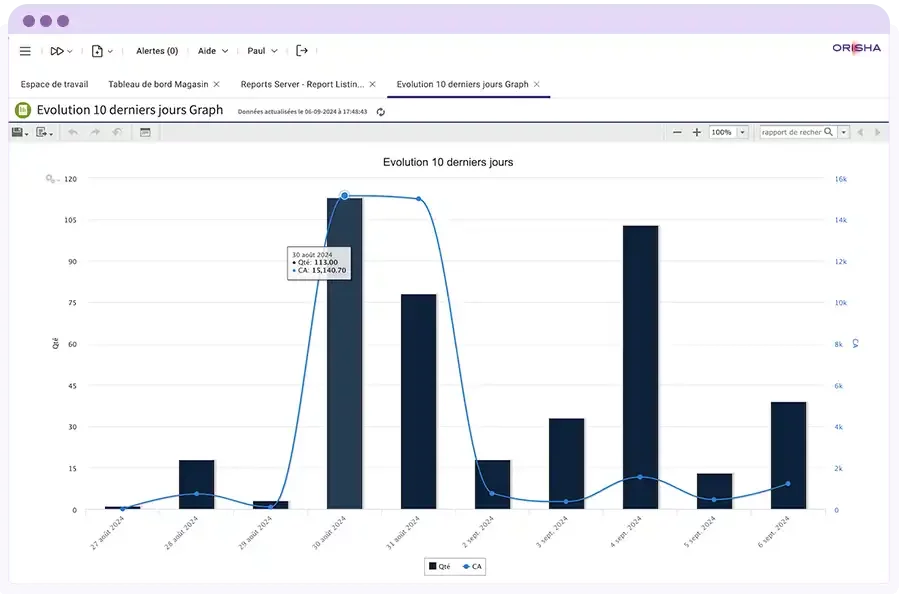
Evaluating a new product's performance requires teams to utilize credible and actionable data from day one of its market launch. Tools like dashboards, automated reports, and KPI tracking offer a transparent view of performance by converting diverse data into valuable insights.
A centralized platform grants teams real-time access to unified customer and inventory data, improving management and facilitating swift, informed decision-making.
Adjust marketing strategies based on customer feedback
After a product enters the market, initial feedback is crucial for real-time marketing adjustments:
- Tailor communication to highlight customers' preferred features;
- Reevaluate dissemination channels, prioritizing those with higher engagement or conversion rates;
- Develop high-value content like tutorials or FAQs to overcome potential obstacles.
Openbravo Commerce Cloud stands out as the ideal solution for retail's time-to-market challenges. The platform equips businesses with essential tools and methodologies, minimizes delay-related costs, and ensures enhanced agility.
Request a demo and see how Openbravo Commerce Cloud can accelerate your time-to-market!
Evaluate innovation opportunities
New technologies to improve profitability
According to a McKinsey study, the use of integrated digital solutions can reduce the time-to-market (TTM) by up to 50%. Among the technologies facilitating innovation, Artificial Intelligence (AI) enables the automation of forecasts, optimization of e-merchandising, and detection of anomalies in the product chain. The PIM, on the other hand, ensures the centralization of product data across all channels.
The challenge lies in integrating these solutions coherently with existing systems. A unified commerce platform eases this integration by creating a stable and open technical foundation on which to connect various components like AI or augmented reality.
Discover how to accelerate time-to-market with Openbravo Commerce Cloud!
Deciphering market trends to stay ahead
In today's market, relying on delayed validation often leads to missed opportunities. To capture early signals, consider these leverage points:
- Implement active monitoring of subtle market signals;
- Utilize predictive analysis tools for demand forecasting;
- Engage customers early in the process to refine product direction.
A unified platform such as Orisha Commerce Cloud enables rapid adaptation to changing demands by simplifying product information dissemination. Explore our solution!
Speeding up product launches allows faster responses to market demands, reduces delay-related costs, and seizes more opportunities. Reducing time-to-market requires smooth project organization and adaptable strategies. Consequently, decisions are timelier and informed by accurate, relevant signals.