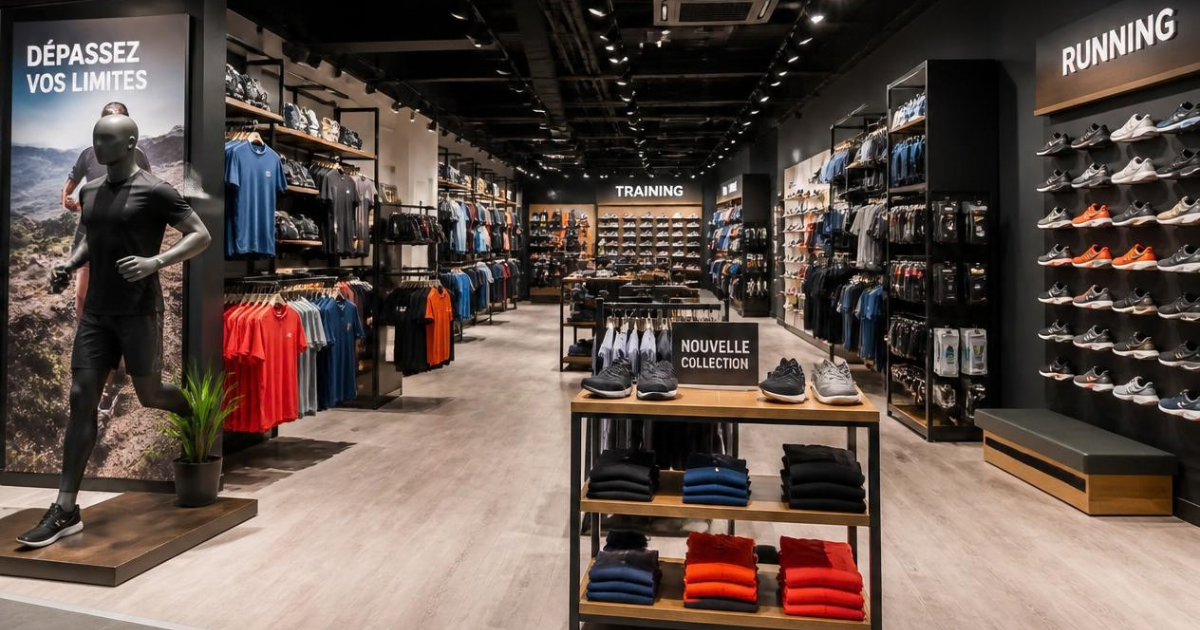
The ERP is recognized as a vital integrated management tool for retail performance, while the CRM is essential for managing customer relationships in businesses..
Let's delve into the ERP vs. CRM debate: what if, instead of opposing them, we should consider integrating them?
What is an ERP?
An ERP (Enterprise Resource Planning) is a software solution that manages all the processes and resources of a business. It centralizes the company's information and data into a single database, enhancing traceability and automating business processes. Additionally, it offers a holistic view of the organization and enables the management of all activities from a unified dashboard.
The ERP includes a range of essential features for a sports store, such as:
- Inventory management: tracking product inflows and outflows, indicating available stock levels, and setting alerts for thresholds; Procurement management: planning resources, automating supply processes, managing suppliers (commercial terms, delivery schedules, etc.), and tracking deliveries and returns; Sales management: recording customer orders, issuing invoices, monitoring sales targets, and managing prices and promotions;
- Customer management: maintaining a customer database, tracking purchase history, and managing customer relationships; POS system or point-of-sale software: handling cash transactions, recording payments, generating receipts, and tracking cash flow;
- Reporting and analysis: the ERP enables the creation of reports and dashboards to track store performance, analyze sales, margins, inventory, and more.
- Selecting an ERP tailored for sports stores provides access to industry-specific modules that streamline your business operations. These include: Sports equipment rental Repair workshop management (bikes, skis) A centralized and comprehensive product database Multi-store oversight Tablet integration for connected sales associates A customer loyalty program.

What is a CRM?
CRM software (Customer Relationship Management) is a digital tool designed to manage customer relationships. It centralizes and organizes all customer-related information, tracks interactions with the company, and supports loyalty programs. This database empowers sales teams to understand customer needs and preferences better, making it easier to personalize the in-store experience. Additionally, a CRM offers features for sales tracking, opportunity management, customer support, marketing, and more..
Benefits of CRM Software for a Sports Store:
- Centralized Customer Data Management: CRM software unifies all customer information (contact details, purchase history, preferences, etc.) into a single, accessible database for all store employees. This streamlines customer relationship management and enhances personalized service.
- Tracking Customer Interactions: whether by phone, email, social media, or in-store. This ensures that all customer requests, complaints, and suggestions are logged and addressed promptly and appropriately.
- Marketing Campaign Management: the CRM enables sending targeted messages across multiple channels based on customer preferences and purchase behavior, organizing events and special promotions, and measuring the effectiveness of marketing efforts.
- Customer Loyalty: Through tracking interactions and personalizing customer service, CRM software enhances customer retention by providing a unique shopping experience. It also streamlines the creation of loyalty and reward programs, encouraging customers to return frequently.
- Customer Data Analysis: The tool generates reports and dashboards to analyze collected data, helping to understand customer needs and purchasing behaviors better, identify the most profitable customer segments, and adjust the sales strategy accordingly.
The integrated ERP and CRM combination
When comparing ERP and CRM, the main difference lies in their software orientation and the business processes they address. An ERP focuses on managing all store activities, while a CRM is specifically designed to optimize customer relationships and sales. Although they can function independently, integrating CRM and ERP often results in better coordination and seamless communication across the various departments of your sports store.
- The integration of ERP and CRM provides substantial benefits: Enhanced productivity: Integrating these two tools combines their functionalities, resulting in greater service efficiency. Employee collaboration is improved as they work within the same information system and access identical data. This leads to significant time savings and better synchronization, as processes are automated (real-time inventory tracking, sales accounting, etc.).
- Towards Unified Commerce: Integrating ERP and CRM centralizes sales and customer relationship data, driving commercial unification. This eliminates data silos between departments, offering better operational visibility and facilitating strategic decision-making.
- Optimized Customer Experience: Integrating both tools enhances the customer journey. Customers are recognized at every touchpoint, can access their loyalty information, and enjoy personalized interactions with your store. This leads to higher customer satisfaction, as actions are coordinated, swift, and effective.
Discover also: Opening a Bike Shop: An Entrepreneur’s Guid
For effective ERP and CRM integration, it's essential to choose management software that leverages the strengths of both solutions. Look for a central platform that manages sports stores, provides comprehensive control, and integrates both B2B and B2C commercial operations. Advanced CRM solutions with sophisticated features are available on the market. You can fully benefit from these by selecting open software capable of connecting to other IT tools via API.